
CVC short e u review
Master CVC short e and short u vowel contrasts like bed, bug, jet, jug, hen, hug, den, and dug with interactive phonics games and a printable worksheet pack.
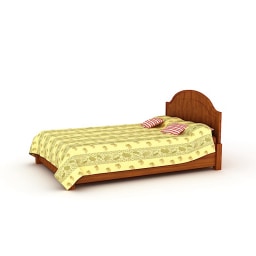
Lesson at a glance
Skill
Compare and contrast short e and short u in CVC words
Pattern
mixed consonant-vowel-consonant
Level
Preschool, kindergarten, and grade 1
Practice time
5-10 minutes
The CVC short e and short u review provides systematic discrimination practice between two vowels that frequently confuse emerging decoders: the front mid-vowel short e (/ɛ/) and the central lax vowel short u (/ʌ/).
Because neither vowel requires exaggerated lip movement (unlike the wide jaw drop of short a or the rounded lips of short o), young readers often struggle to differentiate them acoustically. When children glance impulsively at the outer consonants of a word, they frequently substitute these vowels—reading "bug" when they see bed, or reading "jug" when they encounter jet.
By practicing with structured word pairs sharing identical onsets—bed vs. bug, jet vs. jug, hen vs. hug, and den vs. dug—this lesson trains readers to slow down, isolate the medial vowel letter, and check articulatory mouth position before blending.
Integrating real photographic cards, vowel-highlighted interactive games, and a free 4-page printable worksheet workbook, this unit provides structured phonics intervention for classrooms, reading clinics, and home practice.
How to Teach Short E vs. Short U Contrast
Explicit instruction pairing articulatory feedback with visual highlighting helps students build stable orthographic maps:
- Acoustic Comparison: Say bed and bug clearly. Ask students: "Which word has the smiling /ɛ/ sound, and which has the relaxed 'uh' /ʌ/ sound?"
- The Smile-Edge vs. Relaxed Sigh Check: Have children touch their cheeks. When saying jet, the mouth corners pull slightly outward into a gentle grin and the sides of the tongue touch the upper molars. When saying jug, the mouth stays completely neutral and the tongue rests flat, like a relaxed sigh.
- Sound Tapping and Segmenting: Tap out phonemes on fingers or using sound chips:
- /b/ - /ɛ/ - /d/ -> bed
- /b/ - /ʌ/ - /g/ -> bug
- Visual Medial Highlighting: Point directly to the red highlighted vowel letters (e vs. u) on each card. Remind students that changing one letter in the middle changes the word's entire picture.
- Photographic Meaning Anchors: Match every word immediately to its clear photo (e.g., cozy bed vs. crawling beetle), cementing the connection between decoding and comprehension.
Common Short E and Short U Decoding Challenges
- Consonant-Anchor Guessing: When words start with the same sound (b-, j-, h-, d-), impulsive readers glance at the initial consonant and guess the word. Matching-onset contrast sets force them to inspect the middle letter.
- Subtle Acoustic Proximity: Because /ɛ/ and /ʌ/ share similar mid-vowel acoustic frequencies, students with mild speech delays or auditory processing difficulties need tactile mouth cues to feel the difference.
- Letter Formation Confusion: In fast handwriting, lowercase e and u can blur if students loop or round incorrectly. Tracing exercises reinforce clean letter strokes.
Five-Minute Lesson Routine for Centers or Small Groups
- Minute 1: Articulatory Warm-Up: Practice the 4 contrast pairs (bed/bug, jet/jug, hen/hug, den/dug) using echo reading and mouth checks.
- Minutes 2–3: Digital Games: Open Bitsboard for Photo Touch and Letter Match, testing rapid auditory discrimination and vowel selection.
- Minutes 4–5: Printable Worksheet Practice: Complete the Trace and Write or Draw and Match page from the printable CVC short e u review worksheet pack.
Short E And Short U Word List
Use these words across the games and printable worksheet so learners repeat the same sound pattern in multiple ways.
| Word | Target sound | Practice cue |
|---|---|---|
| bed | e | Say bed, stretch the sounds, then read the whole word. |
| bug | u | Say bug, stretch the sounds, then read the whole word. |
| jet | e | Say jet, stretch the sounds, then read the whole word. |
| jug | u | Say jug, stretch the sounds, then read the whole word. |
| hen | e | Say hen, stretch the sounds, then read the whole word. |
| hug | u | Say hug, stretch the sounds, then read the whole word. |
| den | e | Say den, stretch the sounds, then read the whole word. |
| dug | u | Say dug, stretch the sounds, then read the whole word. |
Interactive phonics games
Play through the same practice words with picture cards, photo matching, quiz questions, and missing-letter practice.
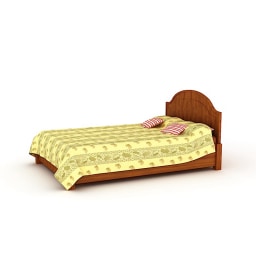
bed
Tap card to see the picture again.
Common questions
Why do early readers confuse short e and short u?
Both short e (/ɛ/) and short u (/ʌ/) are lax, unrounded vowels with neutral lip posture. Because both require a relaxed mid-mouth position, emerging decoders who scan words quickly often confuse the middle sound unless they feel the difference between the front-spread tongue of short e and the relaxed central tongue of short u.
How can children physically feel the difference between short e and short u?
Use the "Smile-Edge vs. Relaxed-Tummy Check." For short e (/ɛ/ as in bed or jet), the tongue arches forward toward the upper side teeth like a half-smile. For short u (/ʌ/ as in bug or jug), the tongue rests completely flat and central in the mouth, like a relaxed sigh ("uh").
What word pairs are included in this review lesson?
This lesson features four matching-onset contrast pairs—bed/bug, jet/jug, hen/hug, and den/dug—paired with real photographic cards to prevent initial-consonant guessing and anchor medial vowel decoding.
Is the printable worksheet free to download?
Yes, the 4-page PDF worksheet pack is 100% free and includes picture word cards, missing-vowel letter matching, handwriting trace-and-write lines, and picture-to-word drawing matches.
Start Learning with Bitsboard
Unlock over 30 interactive mini-games, thousands of pre-made learning boards, and the power to fully customize your own lessons. Perfect for toddlers, students, educators, and speech therapists!
Download on the
App Store